The Stewardship Economy
A place-based model for building lasting regional wealth.
A Stewardship Economy makes the health of the natural resource base — and the people who steward it — the foundational capital that long-term prosperity depends on.
By continually reinvesting in that foundation, communities can build healthy landscapes, strong local businesses, meaningful livelihoods, and greater resilience together.
The ModelStewardship is the foundation.
A Stewardship Economy is the system.

THE PRACTICE
Stewardship
The active, skilled care of land and natural resources by the people most connected to them, with the long term in mind.

THE WORK
Stewardship Activities
Stewardship put into practice through projects and programs.
Restoration · Conservation · Tribal forestry · Watershed collaboratives · Regenerative agriculture · Youth learning · Local energy

THE SYSTEM
Stewardship Economy
Stewardship connected across land, workforce, enterprise, capital, and policy to build lasting regional wealth and reinvest in the natural and community assets that make it possible.
Stewardship activities are the building blocks. A Stewardship Economy connects them into a compounding system.
How is a Stewardship Economy Different?
Many rural communities have been asked to choose between limited options.
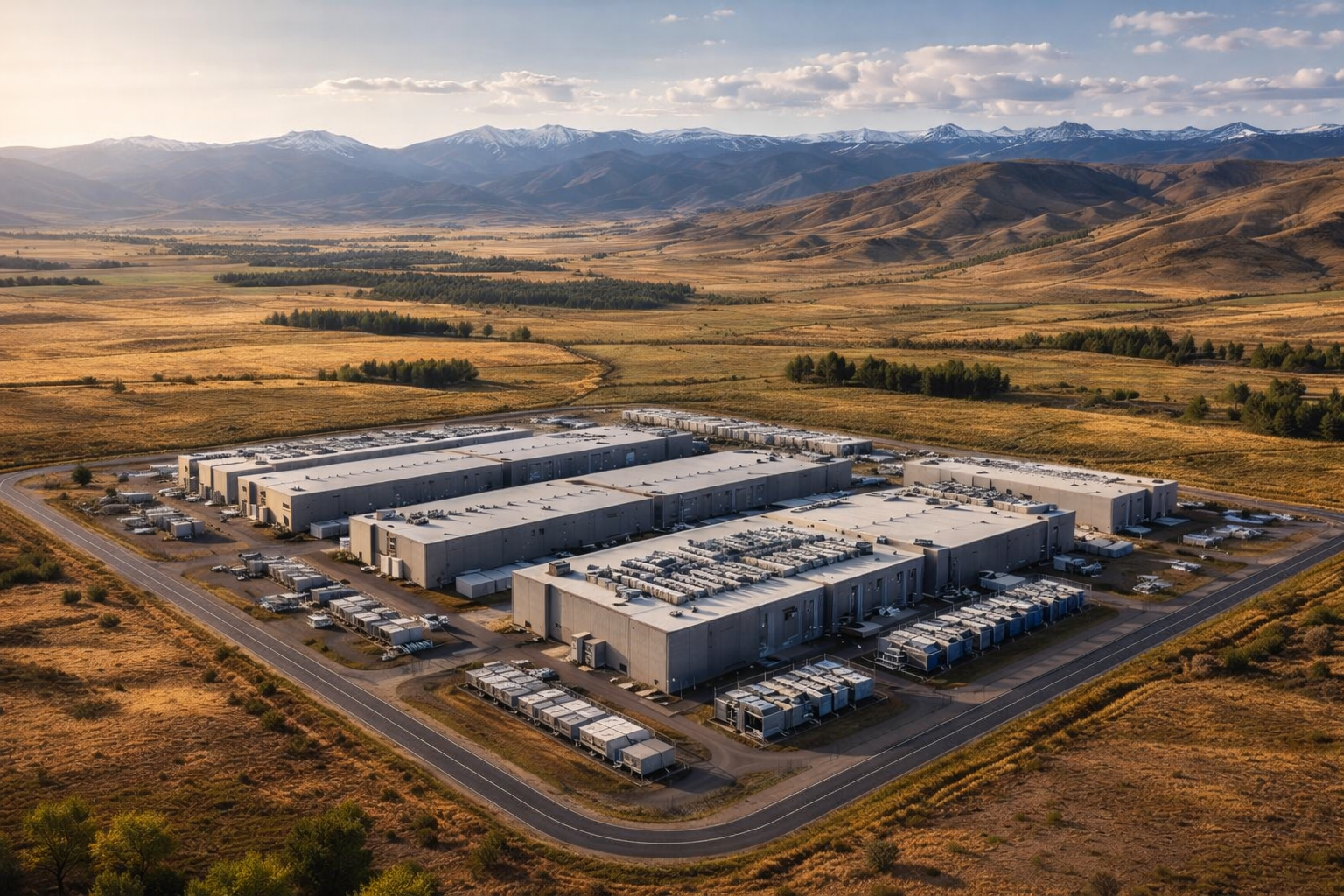
Extractive Models
Built around a depleting base.
Economic value is generated by extracting natural resources. When resources decline, processing moves elsewhere, ownership changes, or markets shift, the communities that depend on them can be left increasingly vulnerable.
Single-Sector Models
Built around dependence on one economic engine.
Tourism or time-bound restoration helps temporarily, but rarely creates stability for local resilience. Jobs are low-paying, seasonal, and insecure. External or corporate ownership creates uneven benefits, often extracted versus going back into the community. Unsustainable use of land/water creates fragile economies,
BUILDING A STEWARDSHIP ECONOMY
Different places.
A shared foundation.
No two Stewardship Economies will look the same. They grow from the particular landscapes, people, histories, industries, and opportunities of a place.
But across communities where this model has taken root, five shared values consistently appear.
Long-Term Land Stewardship and Continuous Regeneration
Healthy land and water are not separate from a healthy economy. Stewardship protects and continually renews the natural foundation that livelihoods and communities depend on.

Local Governance and Community-Led Decision Making
The people with the most at stake have meaningful power in shaping decisions, sharing benefits, and determining the long-term future of their community.
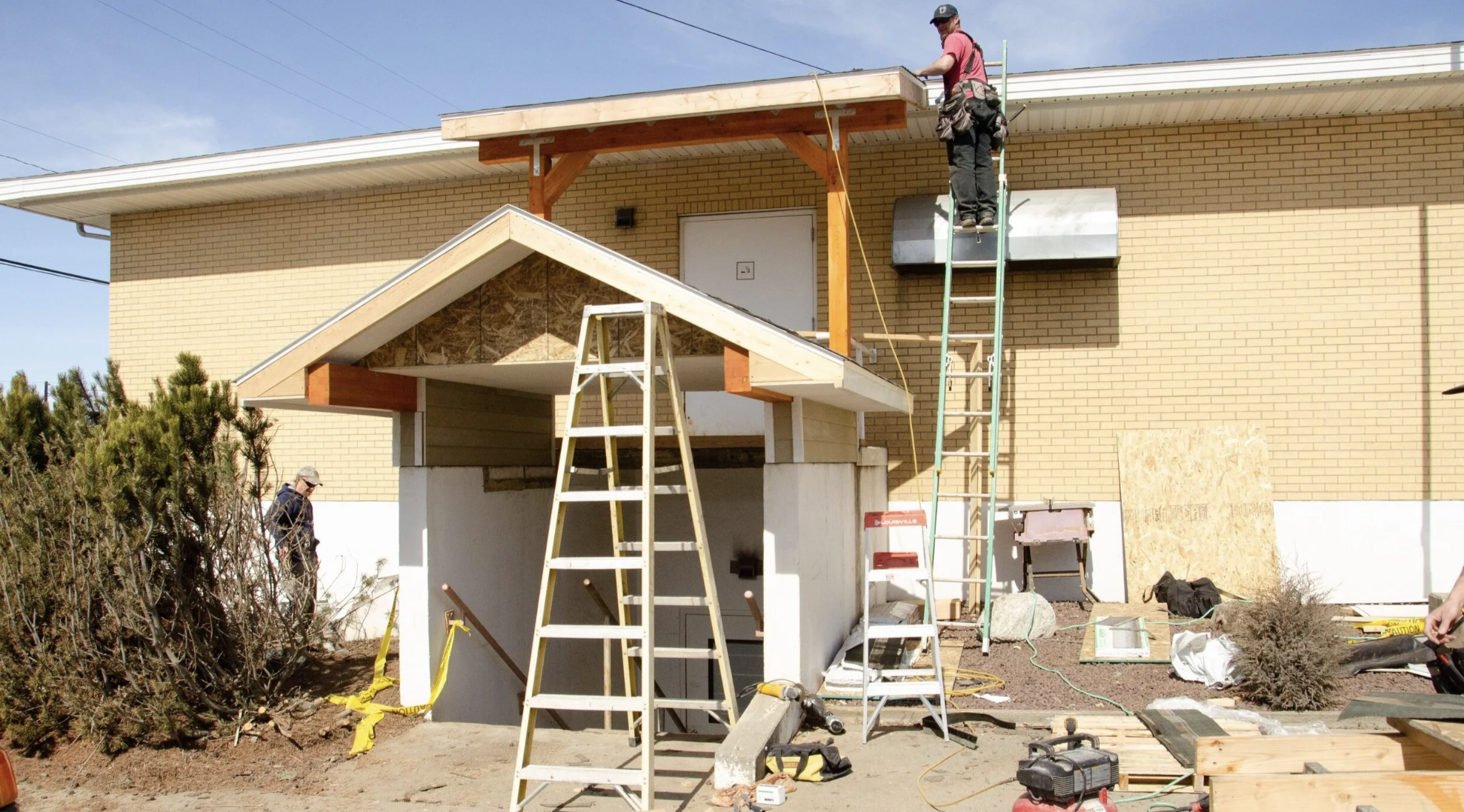
Multi-Benefit Outcomes
Success is not measured by a single outcome. Stewardship Economies work to produce healthier landscapes, stronger communities, meaningful livelihoods, and more durable economies together.
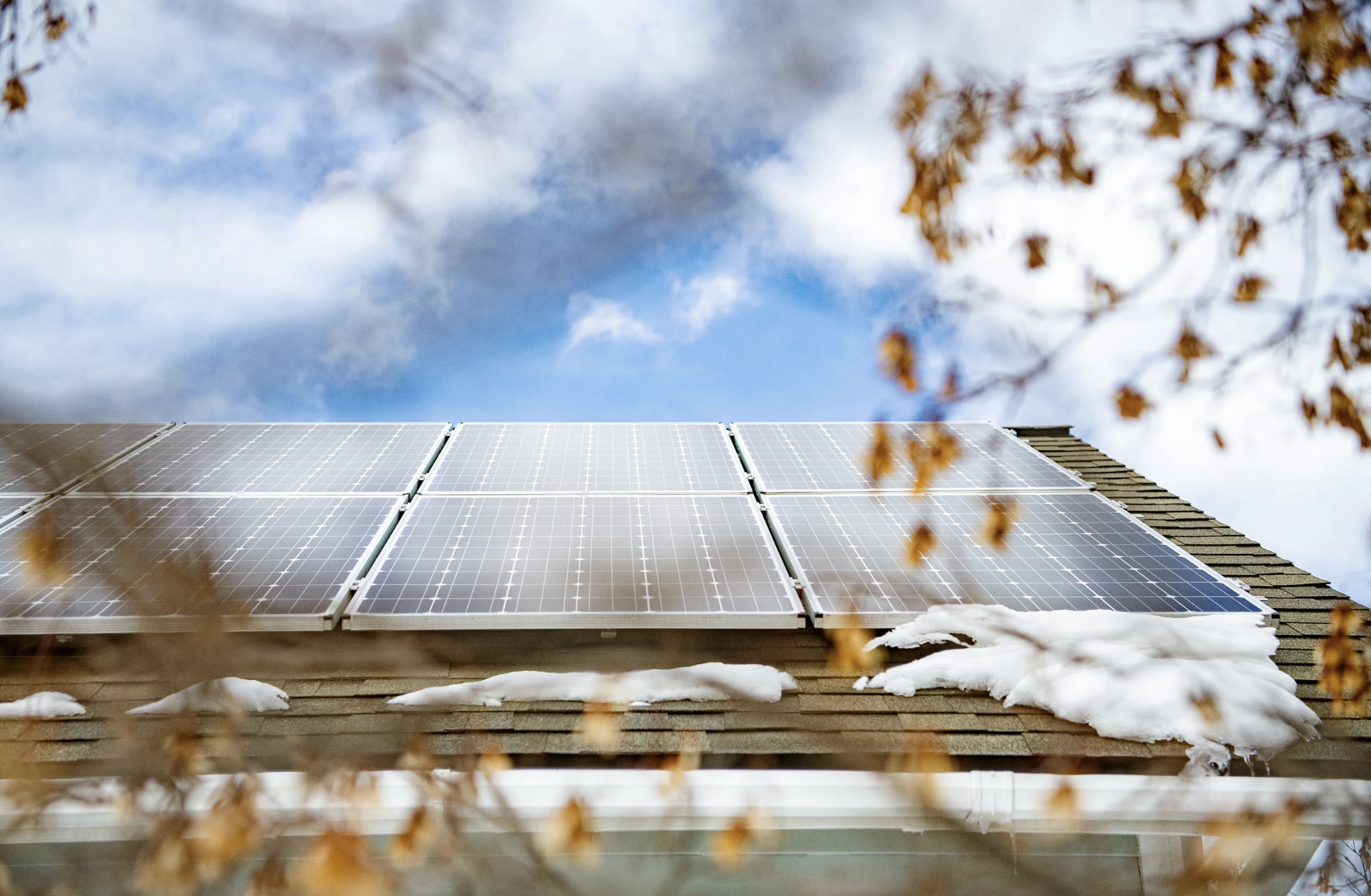
Keeping Value Local
Local contracts, locally owned businesses, family-wage jobs, and community investment help ensure that more of the value generated in a place stays and circulates there.

Cross-Sector Collaboration & Shared Responsibility
No single organization or sector can build a Stewardship Economy alone. Landowners, Tribal nations, businesses, agencies, nonprofits, local governments, and residents each have a role.
Join the Stewardship Economy Community of Practice
Connect with rural leaders, practitioners, and partners exploring how stewardship can strengthen local economies. Get invitations to monthly calls, resources, and opportunities to learn from communities across the country.

A Model for Investment, Policy & Economic Development
The Stewardship Economy is more than a philosophy.
It provides a practical, place-based model for economic development, public investment, and policy alignment in rural communities.
-
A Stewardship Economy helps translate policy into real-world outcomes.
By aligning existing tools—such as forest and watershed programs, agricultural incentives, workforce funding, and infrastructure investment—this approach supports:
Local job creation and retention
Reduced public costs over time through prevention and stewardship
Greater return on public investment through coordinated, place-based action
-
For funders and mission-aligned investors, the Stewardship Economy offers:
Proven, place-based models with real-world track records
Opportunities to de-risk innovation by supporting local capacity and coordination
Clear pathways to leverage public funding and unlock additional capital
By investing in stewardship economies, funders help build the conditions that make successful projects repeatable—turning individual wins into scalable models.
-
A Stewardship Economy reframes economic development around long-term value, not short-term growth.
It supports:
Diverse, locally rooted businesses
Workforce pathways tied to land-based livelihoods
Infrastructure and markets that reflect the realities of rural places
This approach helps communities move beyond crisis response toward durable economic resilience.
Shared Pressures,
Shared Futures
Different communities are facing many of the same interconnected pressures.
Across rural regions, economic, ecological, and community challenges increasingly overlap:
WILDFIRE & CLIMATE RISK
WATER STRESS &
DECLINE
AGING INFRASTRUCTURE
FOOD DESERTS
& INSECURITY

HOUSING COSTS
& AVAILABILITY
DECLINING
INDUSTRY




OFFSHORING & AUTOMATION
LOSS OF LOCAL WORK FORCE


These challenges do not happen in isolation.
A workforce shortage worsens when young people leave. Wildfire risk increases when landscapes are unhealthy. Housing instability undermines the workforce. Loss of local knowledge weakens the ability to care for the natural resources the regional economy depends on.
Trying to solve each problem separately can miss the relationships between them.
The Stewardship Economy offers a way to connect the work already happening into a coherent strategy for people, place, and long-term prosperity.
Start Where You Are
Every community already has something to build from — people, knowledge, businesses, relationships, institutions, natural resources, and stewardship work already underway.
The Stewardship Economy tools can help communities recognize those assets, understand where they are on the arc, and identify what could come next.